PRAISe Lab

Research at PRAISe

Research Areas

Minimal perception, novel sensing, and onboard computation for tiny robot autonomy.

At PRAISe, we pioneer minimal perception framework enabling tiny robot autonomy through onboard novel sensing and computation. We strive to employ our robotics solutions to do good and to make meaningful contributions to humanity and nature.

Please read through our recent publications for more details. Interested in one or more of these areas? Apply here.
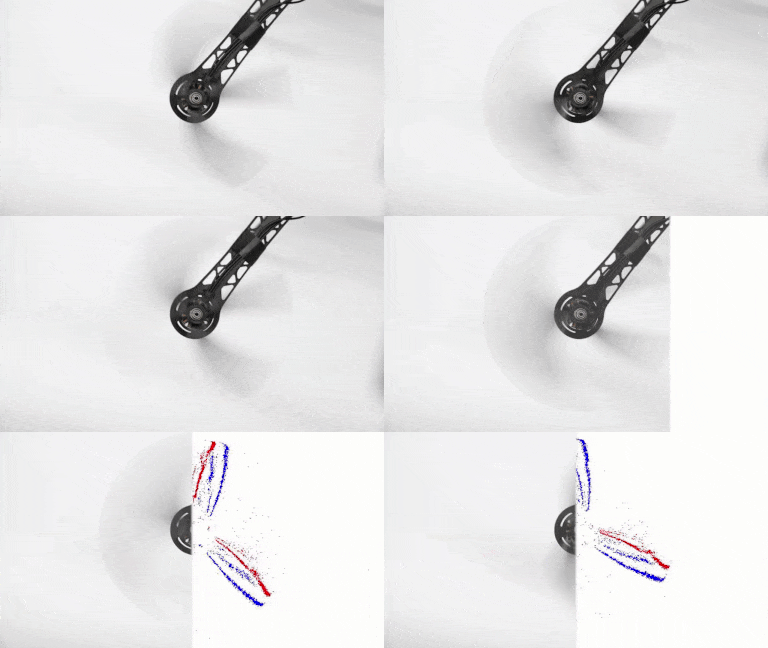
Neuromorphic Perception

Neuromorphic Perception

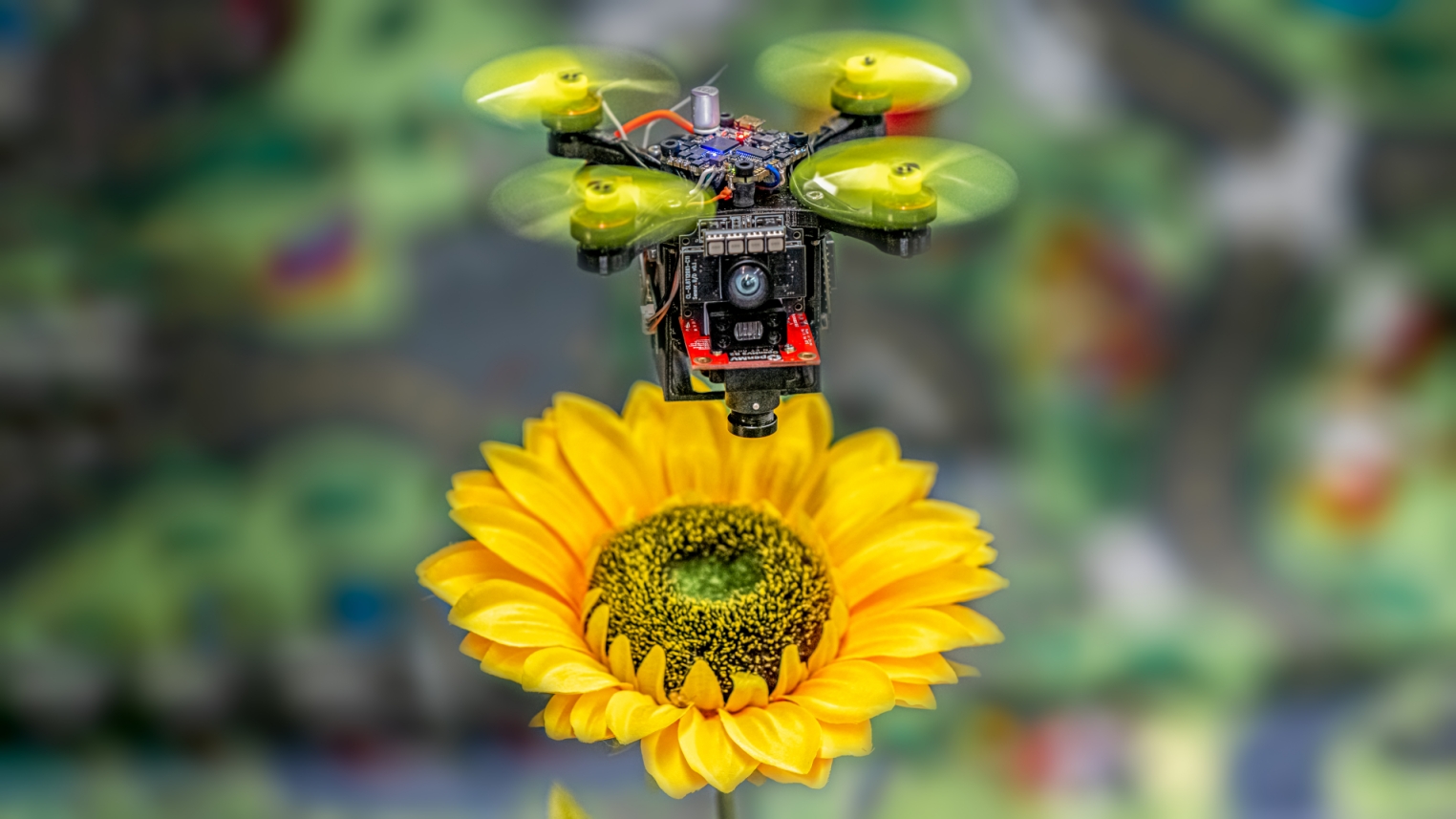
Our goal is to develop perception algorithms for bio-inspired cameras such as Neuromorphic (or event cameras) for robot autonomy. We aim to improve robot perception and decision-making by mimicking the efficiency and adaptability of biological systems.

Micro-scale Drone Development

Micro-scale Drone Development

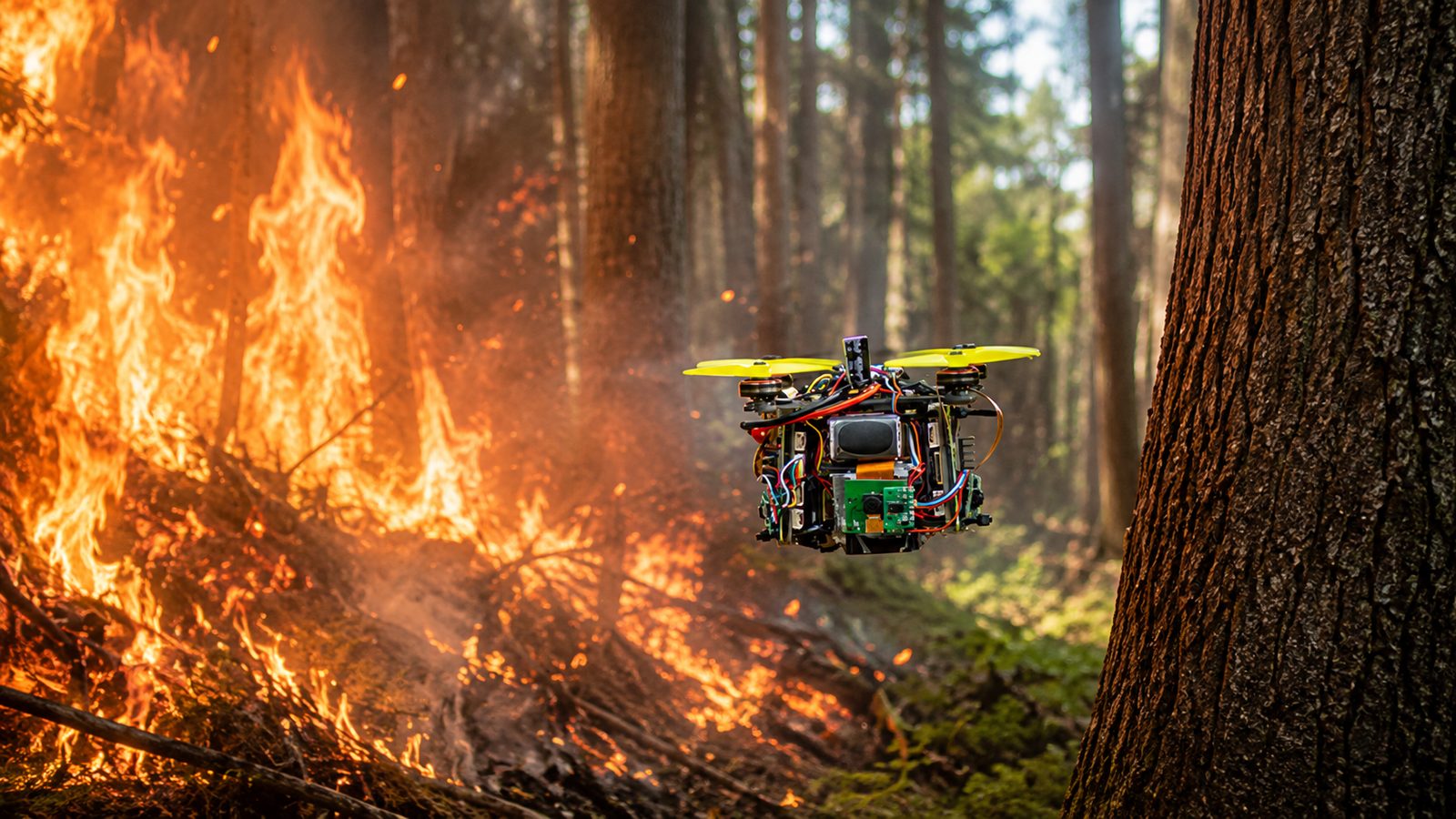
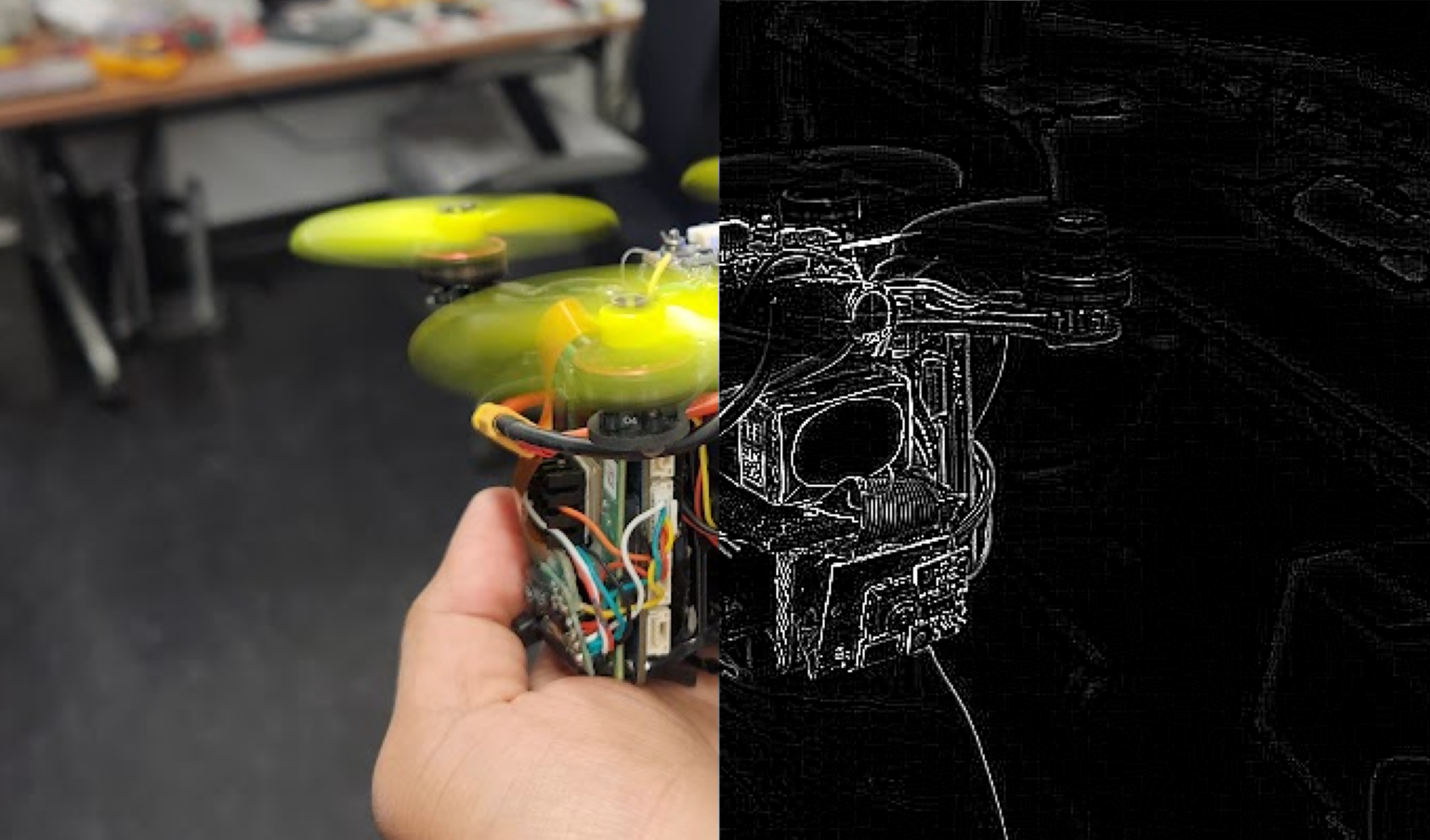
We are looking for highly motivated students to push the boundaries in drone hardware, focusing on embedded design and CAD. Join us to innovate and create cutting-edge solutions in aerial robotics.

Computational Imaging for Robot Navigation and 3D Reconstruction

Computational Imaging for Robot Navigation and 3D Reconstruction

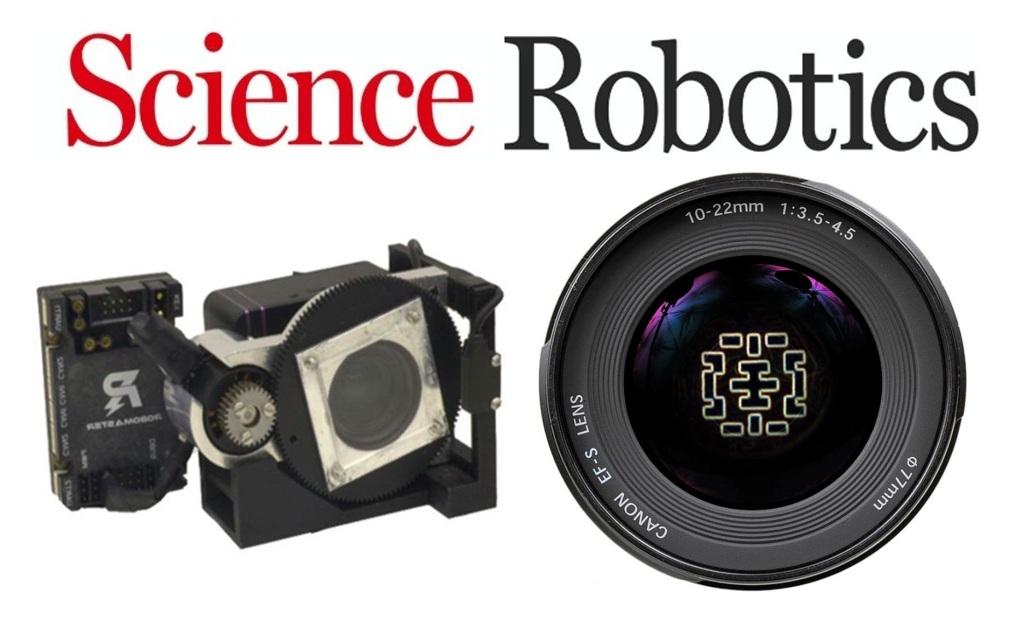
Nature has developed eyes in diverse ways tailored to each species' habitat for optimal vision and survival. At PRAISe, we leverage these insights to develop hardware-software co-design perception frameworks, pushing the boundaries of tiny robot autonomy using advanced computational imaging techniques.

Visual Navigation with Foundation Models

Visual Navigation with Foundation Models

We work on integrating foundation models to advance robot navigation, enabling robust performance in diverse and dynamic environments. We utilize such models to provide a safe, versatile and scalable approach, enhancing autonomous decision-making and adaptability in robotic systems.

Sim2Real

Sim2Real

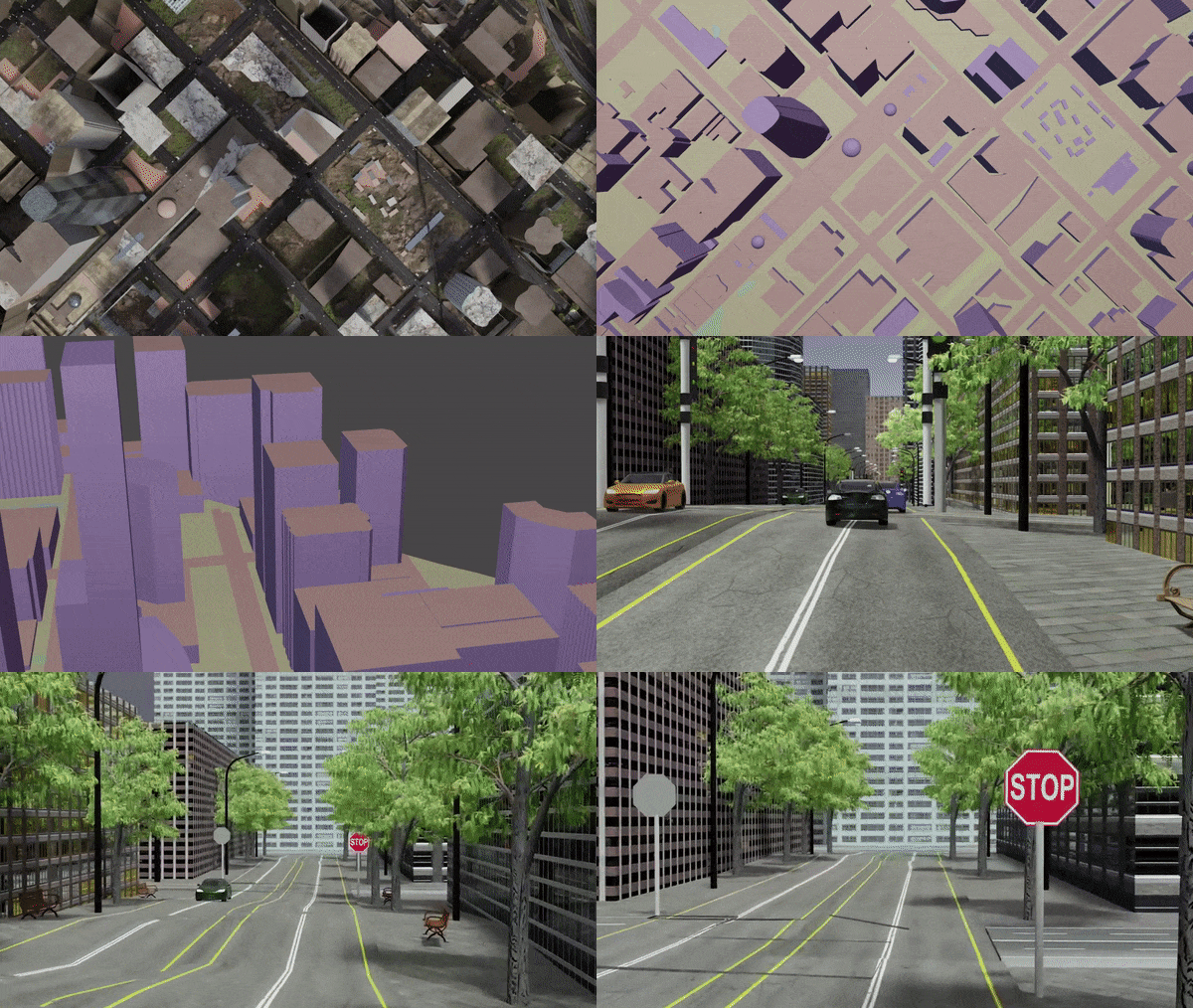
Our efforts in "Simulation to Real" training enhance robot autonomy by bridging the gap between virtual and physical environments. Experience in Blender, Unreal Engine, or Unity is highly valued as it plays a crucial role in developing and refining these simulation environments.